Top Educational AI Platforms for Students
Artificial Intelligence is transforming education faster than ever before. In 2026, students are using AI-powered platforms to learn new skills, complete assignments, improve productivity, and prepare for exams more efficiently. These educational AI platforms are changing traditional learning methods by offering personalized tutoring, instant feedback, smart note-taking, and interactive study experiences.
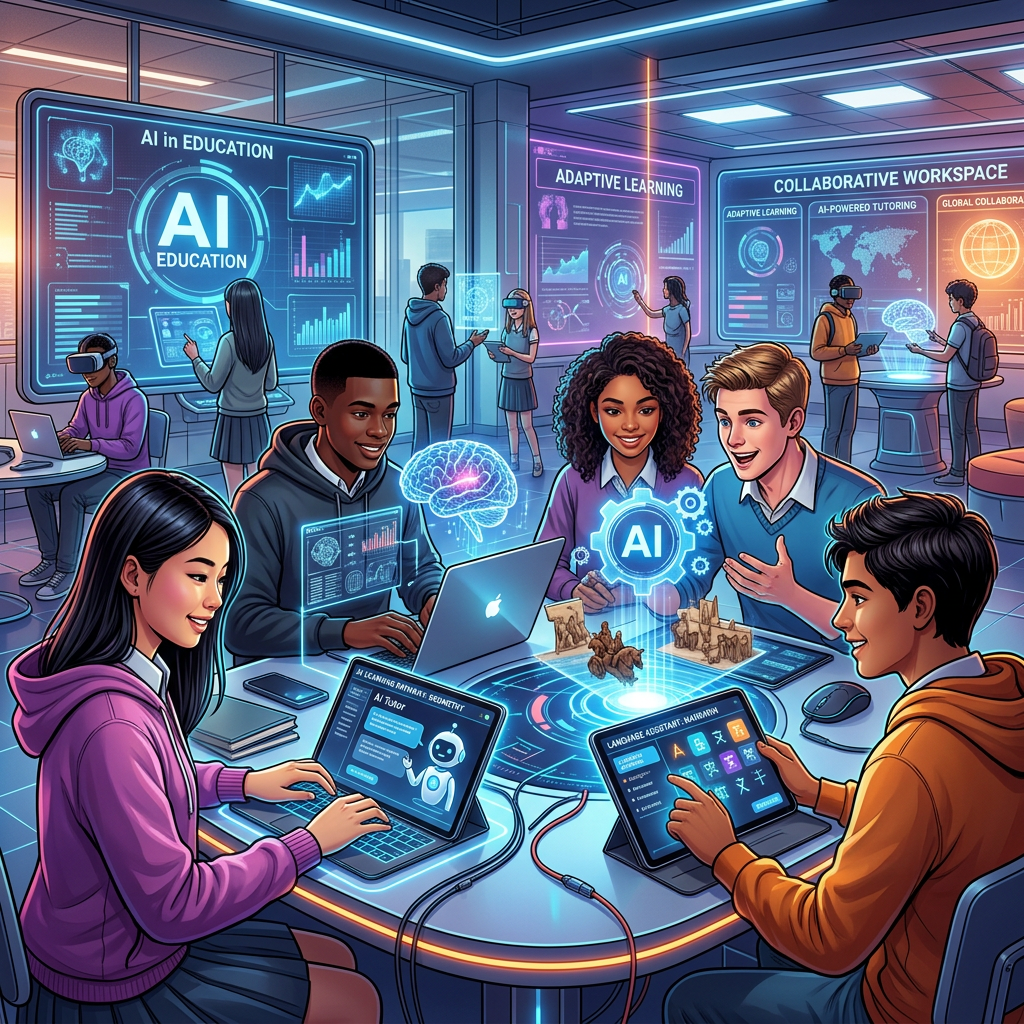
Whether you are a school student, college learner, or university researcher, AI tools can help you save time and improve academic performance. From AI tutors to research assistants and language-learning apps, modern educational platforms are becoming essential for students worldwide.
In this article, we will explore the top educational AI platforms for students in 2026, their features, benefits, and how they are shaping the future of education.
Why AI Platforms Are Important for Students
Students today face many academic challenges, including heavy workloads, research pressure, time management, and exam stress. AI-powered educational tools help simplify these tasks and make learning more accessible.
Benefits of Educational AI Platforms:
- Personalized learning experiences
- Faster research and information gathering
- Better organization and productivity
- Interactive learning methods
- Instant academic support
- Improved writing and communication skills
- Smarter exam preparation
According to recent reports, AI-powered educational tools are rapidly becoming part of mainstream learning systems worldwide.
1. ChatGPT – The Universal AI Study Assistant
ChatGPT has become one of the most popular educational AI tools for students. It helps learners understand difficult topics, generate assignment ideas, summarize notes, and improve writing skills.
Features:
- Homework assistance
- Essay writing support
- Coding help
- Study explanations
- Research summaries
- Brainstorming ideas
Students use ChatGPT as a virtual tutor available 24/7. It explains concepts in simple language and helps improve understanding across multiple subjects. Many students now rely on ChatGPT for study support and academic productivity.
Best For:
- Homework help
- Writing assignments
- Quick explanations
- Research assistance
2. Khan Academy Khanmigo – AI-Powered Tutoring
Khan Academy introduced Khanmigo, an AI tutoring assistant designed to guide students through learning rather than simply giving answers.
Features:
- Personalized tutoring
- Math and science support
- Writing assistance
- Socratic learning approach
- Curriculum-based guidance
Khanmigo encourages critical thinking by asking students questions and helping them discover answers independently. Educational experts consider it one of the best AI tutoring systems available today.
Why Students Love It
The platform focuses on understanding concepts instead of memorization, making it highly effective for long-term learning.
3. Google Gemini – Smart Learning Assistant
Google Gemini has become a major AI learning platform integrated into Google’s ecosystem. Students use it for research, writing, studying, and productivity tasks.
Features:
- AI-powered search
- Smart summaries
- Integrated learning tools
- Personalized study assistance
- SAT practice support
Google recently expanded Gemini’s educational features by offering AI-powered SAT practice tests with detailed feedback and personalized study plans.
Best For:
- Exam preparation
- Research projects
- Writing assistance
- Academic productivity
4. NotebookLM – AI Research and Study Tool
NotebookLM is one of the most advanced AI-powered research tools for students in 2026. It allows users to upload documents, PDFs, lecture notes, and research papers, then ask questions based on those materials.
Features:
- AI-generated summaries
- Research assistance
- Lecture note analysis
- Source-based answers
- Interactive study notebooks
Google Classroom recently added NotebookLM integration, allowing students to create AI-powered class notebooks for better learning experiences.
Benefits
Students can quickly summarize long documents and organize academic materials more effectively.
5. Quizlet AI – Interactive Learning Platform
Quizlet remains one of the best AI learning platforms for exam preparation and memorization.
Features:
- AI-generated flashcards
- Practice quizzes
- Personalized study plans
- Interactive games
- Smart revision tools
Quizlet uses AI to adapt learning based on student performance, making studying more effective and engaging.
Best For:
- Exam preparation
- Memorization
- Vocabulary learning
- Quick revision
6. Duolingo Max – AI Language Learning
Language learning has become more interactive thanks to AI-powered platforms like Duolingo Max.
Features:
- AI conversation practice
- Personalized lessons
- Pronunciation feedback
- Interactive exercises
- Gamified learning
Duolingo Max helps students practice real conversations and improve language fluency using AI-powered chat systems.
Why It’s Popular
The app makes language learning fun, interactive, and accessible for learners worldwide.
7. Perplexity AI – Research and Information Platform
Perplexity AI is an AI-powered search assistant designed for fast and reliable research.
Features:
- Citation-supported answers
- AI-powered search engine
- Instant summaries
- Conversational search
- Research support
Students use Perplexity AI to gather information quickly while accessing reliable sources for academic work.
Best For:
- Academic research
- Fact-checking
- Project work
- Study support
8. Notion AI – Smart Organization and Productivity
Notion AI combines note-taking, task management, and AI writing tools in one platform.
Features:
- Smart note organization
- AI-generated summaries
- Assignment planning
- Productivity tracking
- Collaborative workspaces
Students use Notion AI to organize schedules, assignments, lecture notes, and academic projects efficiently.
Advantages
It helps students stay organized and improve productivity throughout the semester.
9. Canva AI – Creative Educational Platform
Canva AI has become a popular educational design platform for presentations, posters, resumes, and creative projects.
Features:
- AI image generation
- Presentation templates
- Video editing
- Graphic design tools
- Educational project creation
Students can create professional-looking assignments and presentations without advanced design skills.
Best For:
- School projects
- Presentations
- Creative assignments
- Resume building
10. Otter.ai – AI Note-Taking Assistant
Otter.ai helps students record lectures and automatically convert speech into searchable text notes.
Features:
- Voice transcription
- Real-time lecture notes
- AI summaries
- Team collaboration
- Searchable transcripts
This tool allows students to focus more during lectures without worrying about writing every detail manually.
Why Students Use It
Automatic note-taking improves learning efficiency and reduces stress during classes.
How AI Platforms Are Changing Education
AI-powered platforms are making education more personalized and accessible. Traditional classrooms are evolving into smart learning environments where students receive customized support based on their learning styles and performance.
Major Educational Changes Include:
- Personalized learning paths
- AI tutoring systems
- Interactive digital classrooms
- Real-time feedback
- Smarter exam preparation
- Improved accessibility for students
Educational institutions worldwide are increasingly adopting AI tools to enhance learning experiences.
Advantages of Using Educational AI Platforms
AI platforms provide several important benefits for students.
Key Advantages:
- Save time on research and assignments
- Improve understanding of difficult concepts
- Increase academic productivity
- Support independent learning
- Provide personalized feedback
- Enhance creativity and problem-solving skills
Students who use AI responsibly often perform better because they can focus more on understanding concepts instead of repetitive tasks.
Challenges and Concerns About AI in Education
Despite their benefits, AI platforms also raise concerns related to academic honesty, misinformation, and overdependence.
Common Concerns:
- Plagiarism risks
- Incorrect information
- Reduced critical thinking
- Privacy concerns
- Excessive reliance on AI
Researchers have found that while students generally respond positively to AI tools, they also worry about content reliability and ethical use.
Tips for Using AI Platforms Responsibly
Students should use AI as a learning assistant rather than a replacement for genuine learning.
Best Practices:
- Verify information from trusted sources
- Avoid copying AI-generated content directly
- Use AI for guidance and support
- Develop independent thinking skills
- Follow school and university policies
Responsible use ensures students gain the full educational benefits of AI technology.
The Future of AI in Education
AI technology will continue reshaping education in the coming years. Experts predict that future classrooms will become even more interactive and personalized.
Future Trends May Include:
- Advanced AI tutors
- Virtual reality classrooms
- Personalized curriculum systems
- Real-time language translation
- AI-powered educational simulations
The growing demand for AI education and digital skills is also influencing universities and online learning platforms worldwide.
Final Thoughts
Educational AI platforms are transforming the way students learn in 2026. From AI tutors like Khanmigo and ChatGPT to research assistants like NotebookLM and Perplexity AI, these platforms are helping students study smarter, stay organized, and improve academic performance.
AI tools are not meant to replace teachers or traditional learning methods. Instead, they enhance education by making learning more personalized, efficient, and accessible. Students who learn how to use these platforms responsibly will gain valuable academic and digital skills that can benefit them throughout their education and future careers.
As technology continues to evolve, AI-powered education will become even more advanced, interactive, and essential for modern learning. The future of education is intelligent, connected, and driven by innovation.